Dr. Ahmet Özyiğit was born in 1981 in Famagusta, Cyprus. He is the youngest of three children of Özgen and Dr. Savaş Özyiğit.
After completing his high school education at Türk Maarif College in 1998, he earned his bachelor's and master's degrees in economics in Kansas, United States. He then received his doctorate in the same field, actively participating in academic research and publishing various scientific articles.
Over time, Dr. Özyiğit turned to medical science and completed his medical education at the University of Nicosia Faculty of Medicine. In addition to his medical education, he earned a master's degree in Clinical Embryology at the University of Leeds, and then pursued postgraduate studies in Endocrinology at the University of South Wales.
Dr. Özyiğit, who shaped her academic and clinical career with a multidisciplinary perspective, continues her clinical studies particularly in the areas of weight management, metabolic health, and healthy aging. An active member of the American Academy of Anti-Aging Medicine, Dr. Özyiğit earned American Board certification as a specialist in Anti-Aging and Regenerative Medicine after completing a fellowship in longevity medicine. In her clinical practice, she offers her patients longevity-focused approaches, weight management programs, reproductive medicine applications for the elderly, and treatments to support brain function.

Dr. Ahmet Özyiğit
Wellness and Anti-aging Applications

Dr. Ahmet Özyiğit
Wellness and Anti-aging Applications
Everything You Need to Know About Weight Loss Injections, From A to Z

Excess weight and obesity are not just an aesthetic problem. Obesity is a chronic metabolic disease that can increase the risk of developing insulin resistance, type 2 diabetes, high blood pressure, cholesterol disorders, fatty liver disease, sleep apnea, cardiovascular diseases, and some cancers. Therefore, the goal in obesity treatment is not just to lower the number on the scale. The main goals are to reduce fat mass while preserving muscle mass as much as possible, to improve blood sugar and insulin balance, to reduce cardiovascular risk, and to establish a healthy lifestyle in the long term.
Son yıllarda kullanıma giren GLP-1 ve GLP-1/GIP temelli tedaviler obezite tedavisinde önemli bir değişim yaratmıştır. Semaglutid ile yapılan STEP-1 çalışmasında 68 haftada ortalama yaklaşık %15, tirzepatid ile yapılan SURMOUNT-1 çalışmasında ise doza bağlı olarak 72 haftada yaklaşık %15–21 oranında kilo kaybı gözlemlenmiştir [1,2]. Bu rakamlar doğru kişilerde, doğru dozlarda ve doğru hayat tarzı değişiklikleri ile daha da yukarıya çıkmakta ve uzun vadede neredeyse mide ameliyatları kadar kilo verdirebilmektedir.
However, it is important to mention a crucial point here. These medications are not miraculous "weight-loss injections." Calling them weight-loss injections is an oversimplification of these powerful biological agents. When used in the right patient, at the right dose, and in conjunction with a nutritional and exercise program, these treatments are powerful metabolic therapies that target the biological mechanisms of obesity.
What is the mechanism of action of these drugs?
Semaglutide – Ozempic / Wegovy
Semaglutide is a GLP-1 receptor agonist. It mimics the effects of the GLP-1 hormone, which is naturally released in our bodies after meals. Its main effects are:
– It reduces appetite. By affecting the hypothalamus and other appetite-regulating centers in the brain, it reduces feelings of hunger and increases feelings of fullness.
– It affects eating behavior. GLP-1 receptors are also associated with the brain's reward and motivation systems. Studies show that GLP-1 treatment can specifically alter food-related reward responses and food cravings [3]. GLP-1 is thought to modulate multiple central nervous system pathways, including dopaminergic reward circuits.
– It slows gastric emptying. Especially at the beginning of treatment, the passage of food from the stomach to the small intestine may slow down. This helps us feel full for longer. Some of this effect may lessen over time.
– It improves blood sugar control. When blood sugar rises, it supports insulin secretion from the pancreas and reduces unnecessary glucagon secretion. These effects help keep blood sugar levels more stable.
Tirzepatid – Mounjaro / Zepbound
Tirzepatide works in a slightly different way. Instead of activating just one receptor, it activates both GLP-1 and GIP receptors.
Just like with semaglutide, i.e. Ozempic, effects such as decreased appetite, increased satiety, regulation of glucagon and slowing of gastric emptying occur via GLP-1, while additional activation of the GIP receptor provides additional effects on insulin response, adipose tissue metabolism and central appetite control [2,4].
Bu çift mekanizma tirzepatidin günümüzde mevcut en etkili farmakolojik kilo yönetimi seçeneklerinden biri olmasını sağlamıştır. SURMOUNT-1 çalışmasında en yüksek doz grubunda ortalama kilo kaybı yaklaşık %21 olmuş ve hastaların yarısından fazlası başlangıç kilosunun en az %20’sini kaybetmiştir [2].
Retatrutide: The Next Generation
Retatrutide is one of the new molecules currently attracting the most attention in weight loss treatments. While semaglutide targets only the GLP-1 receptor and thizzpatide targets both GLP-1 and GIP receptors, retatrutide adds a third mechanism by simultaneously activating GLP-1, GIP, and glucagon receptors. Therefore, retatrutide is described as a "triple agonist," meaning it targets three receptors.
While appetite and glucose metabolism are controlled via GLP-1 and GIP, activation of the glucagon receptor has additional effects on energy expenditure and fat metabolism. Therefore, retatrutide was developed as a treatment that aims not only to make a person eat less, but also to simultaneously alter different aspects of energy metabolism and further stimulate fat burning.
Retatrutide It is not a drug that has yet received FDA approval. It is still in the research phase. However, the results from the Phase 3 program are quite strong, and the manufacturer plans to submit its FDA application in the first quarter of 2027. Therefore, if the approval process is successful, it is expected to become one of the options for obesity treatment in the near future.
Possible Side Effects
The most common side effects of these drugs are related to the gastrointestinal system. Symptoms such as nausea, indigestion, bloating, constipation, or diarrhea may occur. However, a significant portion of these side effects are mild or moderate; they occur especially at the beginning of treatment and during dose escalation periods and decrease over time in most people [1,2]. Therefore, in treatment, not only which drug is used but also how the dose is increased is important.
In the personalized dosage protocols developed by Dr. Ahmet Özyiğit in his clinical practice, sudden and large dose increases are avoided as much as possible. Unlike standard dose escalation protocols, a more gradual transition is achieved by using smaller intermediate doses in patients where it is deemed necessary.
The primary goal here is not to raise the patient to the highest possible dose, but to find the lowest effective dose that provides sufficient results in terms of appetite control and weight loss, and to maintain that dose for as long as possible.
For example, the standard starting and escalating approach for tirzepatide (Mounjaro) treatment is 2.5 mg for the first 4 weeks, followed by 5 mg if necessary.
Week 1: 2.5 mg
Week 2: 2.5 mg
Week 3: 2.5 mg
Week 4: 2.5 mg
Week 5: 5 mg
Week 6: 5 mg
Week 7: 5 mg
Week 8: 5 mg
In our clinical practice, doses are adjusted not according to a fixed pattern, but according to the individual's response to treatment. For example, a personalized dose escalation scheme for an average patient might proceed as follows:
Week 1: 2.5 mg
Week 2: 3 mg
Week 3: 3 mg
Week 4: 3.75 mg
Week 5: 3.75 mg
Week 6: 4.25 mg
Week 7: 4.25 mg
Week 8: 5 mg
The aim of this approach is to minimize gastrointestinal side effects, particularly those associated with dose increases, by reducing sharp transitions between doses. Simultaneously, the patient's appetite control, satiety, and weight loss are closely monitored. If the current dose provides sufficient effect, it may be preferable to remain at the same dose rather than increasing it only as per the schedule. If the effect becomes insufficient, the dose can be increased in small increments according to the individual's needs.
The important point to remember is this: rapidly increasing the dose does not indicate treatment success. One of the fundamental principles in pharmacological treatment is to achieve the desired clinical effect with the lowest possible effective dose. To give a simple example; if one paracetamol tablet relieves your headache, taking four will not give you four times the benefit. On the contrary, you will be using an unnecessarily higher dose and increasing your risk of side effects. Our approach is similar in GLP-1/GIP-based treatments. If a person's appetite is adequately controlled, portion sizes have decreased, they feel full, and they are losing weight at a healthy rate, it is not always necessary to increase the dose just because a certain week has arrived.
Therefore, appetite level, satiety duration, rate of weight loss, gastrointestinal tolerance, and other potential side effects are evaluated together throughout the treatment. Dose increases are only made when clinically necessary and to the extent required. In short, our goal is not the "highest tolerated dose," but the lowest effective dose that provides sufficient clinical effect for the individual. Thus, we aim to make the treatment not only effective but also more sustainable and better tolerated.
However, certain side effects may be observed in some patient groups. These can be primarily categorized as follows:
Common side effects – Approximately more than 1 in 10 people, although the rates vary depending on the medication and the dose used:
- Nausea
- Diarrhea
- Constipation
- Vomiting
- Abdominal pain or discomfort
- Headache
- Indigestion may occur.
Örneğin SURMOUNT çalışmalarında tirzepatid kullananlarda bulantı yaklaşık %25–29, ishal %19–23 civarında görülmüştür. Bunların büyük bölümü hafif veya orta şiddette olmuş ve özellikle doz artırma dönemlerinde ortaya çıkmıştır [2].
Less common problems
At approximately %1 levels or a few percentage points, gallstones or gallbladder problems, reflux, belching, abdominal bloating, and injection site reactions may occur. The exact frequency varies depending on the molecule used, the dose, the duration of treatment, and patient characteristics. Rapid weight loss itself increases the risk of gallstones. A large randomized study meta-analysis found that GLP-1 receptor agonists were associated with a relatively small increase in gallbladder and biliary tract diseases. The absolute risk increase was very small [5].
Very rare but significant problems.
Severe and persistent abdominal pain, especially if it radiates to the back and is accompanied by vomiting, warrants evaluation for acute pancreatitis. Allergic reactions are also very rare but require prompt intervention. Similarly, fluid loss due to severe vomiting or diarrhea is particularly important in individuals with kidney disease.
Does it increase the risk of pancreatitis?
Significant concerns have been raised about this in the past. However, pooled reviews of the randomized controlled trials available today do not show that semaglutide or tirzapetide significantly increases the risk of acute pancreatitis.
2024 yılında 34.721 hastayı içeren 21 randomize semaglutid çalışmasının meta-analizinde akut pankreatit açısından semaglutid ile plasebo arasında anlamlı bir risk artışı bulunmamıştır (OR 0,70; %95 GA 0,50–1,20) [6].
This does not mean that pancreatitis is “impossible.” Pancreatitis can very rarely occur during treatment, and suspicious symptoms should be taken seriously. The risk should always be considered in patients who have previously had pancreatitis.
Does it increase the risk of cancer?
Current human data do not show that GLP-1 receptor agonists increase overall cancer risk. A meta-analysis of 50 long-term randomized controlled trials published in 2025 found no increase in total cancer risk with GLP-1 treatments [7].
Even more interesting, some observational studies suggest there may be a reduced risk of some cancers associated with obesity. A 2024 study that examined more than 1.6 million patients with type 2 diabetes showed that those using GLP-1 had a lower incidence of several obesity-related cancers, including pancreatic cancer, compared to those using insulin [8].
Similarly, in a cohort study evaluating 86,632 people with obesity or overweight in 2025, those using GLP-1 had a lower overall cancer incidence; a trend toward reduced risk of pancreatic and breast cancer was also observed [9].
Therefore, while there is not yet enough evidence to say that these drugs prevent or treat pancreatic or breast cancer, current human data do not support an increased overall cancer risk.
Where do the rumors about blindness come from?
Recently, there have been reports that GLP-1 group drugs may cause blindness. These reports are based on two different eye diseases: diabetic retinopathy and NAION (non-arteritic anterior ischemic optic neuropathy).
Diabetic retinopathy is a disease that occurs in individuals who have lived with high blood sugar for many years, resulting from damage to the blood vessels in the retina of the eye. In patients with long-standing uncontrolled blood sugar and pre-existing diabetic retinopathy, the rapid decrease in blood sugar caused by GLP-1 treatment can temporarily worsen retinopathy. This is not unique to GLP-1 medications; it can also be seen with other effective treatments that rapidly lower blood sugar. In the SUSTAIN-6 study with semaglutide, diabetic retinopathy complications were observed in %3 of the drug users and %1.8 of the placebo group during approximately two years of follow-up. However, the patients in this study had long-standing diabetes and a high cardiovascular risk. Furthermore, a meta-analysis of 78 randomized studies involving approximately 74,000 participants, published in 2025, observed that semaglutide did not generally increase the risk of diabetic retinopathy. In short, for people with uncontrolled blood sugar levels and diabetic retinopathy, it's better to avoid rapid fluctuations in blood sugar rather than relying on GLP-1 medications.
The second issue is NAION (Non-Arteritic Anterior Ischemic Optic Neuropathy), which can cause sudden and sometimes permanent vision loss due to impaired circulation to the optic nerve. Some large-scale studies have shown that semaglutide use may approximately double the relative risk of this disease. Following this, the European Medicines Agency (EMA) added NAION to the list of very rare side effects of semaglutide by 2025. However, the absolute risk is what matters here: according to the EMA's assessment, there is approximately one additional case of NAION per 10,000 patient-years associated with semaglutide use. Therefore, while the relative increase in risk seems significant, the incidence of this disease is quite low. Furthermore, it cannot be said that these findings apply equally to all GLP-1 based drugs, including Mounjaro (tirzepatide). Consequently, reports that these drugs commonly cause blindness do not accurately reflect scientific data. Similarly, the risk associated with diabetic retinopathy in individuals without diabetes or known eye disease should not be assessed in the same way. However, patients with pre-existing diabetic retinopathy should have their eyes checked before and during treatment, and those experiencing sudden vision loss should consult an ophthalmologist without delay. Considering the proven benefits of GLP-1 treatments in terms of weight control, blood sugar regulation, and reduction of cardiovascular risk in appropriate patient groups, these rare eye complications do not pose a risk significant enough to warrant avoiding treatment for most patients.
What is the warning sign regarding thyroid cancer?
In animal studies, GLP-1 receptor agonists have been associated with thyroid C-cell tumors. This has not been shown to occur in humans in the same way, and there are no reported cases to date.
In the large Scandinavian cohort study, no significant increase in thyroid cancer was detected with the use of GLP-1 [10]. In contrast, some randomized study meta-analyses have shown a small signal of thyroid cancer; although it is not possible to make a definitive judgment about whether there is a risk and its magnitude due to the very low number of events, it is correct to say that this risk is probably quite low [7].
Because Semaglutide and tirzepatide are not recommended for use in individuals with a personal or family history of medullary thyroid carcinoma (MTC) or MEN2 (Multiple Endocrine Neoplasia Type 2) syndrome.
Are Thyroid Nodules a Barrier to Treatment?
No. The presence of a thyroid nodule alone does not preclude GLP-1 treatment. Thyroid nodules are extremely common in the population. What matters are the characteristics of the nodule. If there are suspicious ultrasound findings, a rapidly growing nodule, high calcitonin, or suspicion of medullary thyroid cancer, further evaluation is required before treatment. Ordinary benign thyroid nodules, Hashimoto's thyroiditis, or levothyroxine use alone do not constitute a contraindication to GLP-1/GIP treatment [10].
Effects on Cardiovascular Health
Bu ilaçların faydası yalnızca kilo kaybıyla sınırlı değildir. SELECT çalışmasında fazla kilolu veya obez, daha önceden kardiyovasküler hastalığı bulunan ancak diyabeti olmayan 17.604 kişi takip edilmiştir. Semaglutid kullananlarda kardiyovasküler ölüm, ölümcül olmayan kalp krizi veya ölümcül olmayan inmeden oluşan birleşik sonlanım noktası %20 oranında daha düşük bulunmuştur [11].
Data supporting cardiovascular benefits for tirepatide are also increasing. In particular, the SUMMIT study, conducted in patients with obesity and heart failure with preserved ejection fraction, showed a significant reduction in the combined endpoint of cardiovascular death or worsening heart failure [12].
Therefore, considering GLP-1-based treatments solely as "weight-loss drugs" would be incomplete. They are suitable for use, and approved for use even for cardiovascular diseases alone, particularly in susceptible groups.
How should we eat while using these injections?
Reduced appetite is an important opportunity. However, eating less does not automatically mean eating healthier. The aim during treatment is to create a new diet consisting of foods that are as nutritious, rich in fiber and contain sufficient protein as possible [13].
Prioritize protein!
During weight loss, not only fat tissue but also some lean body mass can be lost. This is an expected part of weight loss. However, what is important here is how much of the total weight lost is from fat and how much is from lean tissue.
Örneğin, 100 kg ağırlığında ve 40 kg kas kütlesine sahip bir kişinin vücut ağırlığının %40’ı kastan oluşmaktadır. Bu kişi 10 kg verdiğinde, kas kütlesinden 2 kg kaybetmişse geriye 38 kg kas kalır. Ancak toplam ağırlığı 90 kg’a düştüğü için kas oranı %40’tan yaklaşık %42’ye yükselir. Yani kişi mutlak olarak bir miktar kas kaybetmiş olsa bile, vücudundaki kas oranı artmış olabilir. Fakat yine de kas kaybının minimumda olması, ve metabolik olarak bizim için çok önemli olan kas kütlesinin fazla miktarlarda kaybedilmemesi oldukça önemlidir. Bu nedenle yeterli protein alımı ve direnç egzersizi özellikle önemlidir.
Protein requirements should be determined based on an individual's age, weight, kidney function, and activity level. Daily protein needs should be calculated individually, especially for those at risk of muscle loss.
Increase your intake of vegetables and fiber-rich foods.
During GLP-1 treatment, decreased appetite and reduced food intake can make it difficult to obtain adequate vitamins, minerals, and fiber. Therefore, including vegetables in meals is particularly important. Vegetables are valuable sources of vitamin C, folate, potassium, magnesium, and various antioxidant compounds. These micronutrients play a role in many physiological processes, from the normal functioning of the immune system to energy metabolism, muscle and nerve function, and the maintenance of cellular health. Especially during periods of rapid weight loss, attention should be paid not only to the amount of calories consumed but also to the nutritional value of the foods consumed. In other words, as quantity decreases, nutritional quality becomes more important.
Another important characteristic of vegetables is their dietary fiber content. Fiber not only regulates bowel movements but also contributes to the healthy functioning of the gut microbiota. Fermentable fibers, in particular, are used by certain beneficial bacteria living in the large intestine to convert them into short-chain fatty acids such as butyrate, acetate, and propionate. These substances play important roles in the energy metabolism of intestinal cells, the protection of the intestinal barrier, and the regulation of immune responses. Furthermore, depending on the type, fibrous foods can slow glucose absorption, limit post-meal blood sugar spikes, and help maintain a feeling of fullness.
Because GLP-1 injection therapy can slow gastric emptying, consuming large amounts of fiber at once may increase bloating, gas, and abdominal discomfort in some people. In the initial period, consuming well-cooked vegetables such as zucchini, carrots, and spinach can facilitate digestion and reduce discomfort.
Although legumes are highly nutritious, their fermentable carbohydrates can worsen digestive complaints, especially during the first weeks of treatment. Therefore, foods like chickpeas, dried beans, and lentils should be introduced into the diet gradually and in small portions, depending on the individual's digestive tolerance. A good approach, particularly at the beginning of treatment, might be to focus on a vegetable and protein-rich diet for 10 days, then gradually introduce legumes in small portions.
As the digestive system responds to treatment, the amount of raw vegetables, legumes, and other fiber sources can be increased. Adequate fluid intake is also important for the positive effects of fiber on bowel function. The goal is not to consume as much fiber as possible, but to create a balanced diet that supports gut health, is rich in micronutrients, and is well tolerated by the individual's digestive system.
Avoid refined sugar and carbohydrates.
During GLP-1 injection therapy, not only the quantity or calories of food consumed are important, but also its metabolic effects. Sugary drinks, sweets, white bread, pastries, and foods high in refined carbohydrates are generally digested more quickly due to their low fiber content, causing more pronounced increases in blood sugar. These increases stimulate insulin secretion from the pancreas. Especially in individuals with insulin resistance, frequent and high consumption of refined carbohydrates makes it difficult to maintain glycemic control, and the resulting fluctuations in blood sugar can lead to increased consumption of sweets and eating disorders.
GLP-1 receptor agonists help improve glycemic control by increasing insulin secretion while suppressing glucagon secretion when blood sugar rises. However, the use of these medications does not negate the metabolic importance of diet. Limiting refined sugars and carbohydrates supports the metabolic improvement provided by treatment, especially in individuals with type 2 diabetes or insulin resistance, and helps develop healthier eating habits even after the injection treatment process is completed.
Another important characteristic of refined carbohydrates is that they often contain low fiber and few micronutrients despite their high energy density. Since appetite is significantly reduced during GLP-1 injection treatment, daily food intake will already be limited. In this case, frequent consumption of low-nutrient foods can prevent sufficient space for more valuable nutrients in terms of protein, vitamins, and minerals. In short, if you consume small amounts of food that is poor in quality and micronutrients, you will not only fail to obtain sufficient vitamins and minerals, but you will also feel weaker and more lethargic.
However, it is not accurate to categorize all carbohydrates together. Fiber-rich carbohydrate sources such as oats, whole grains, and whole fruits also contain vitamins, minerals, and various bioactive compounds. The digestion and glycemic effects of these foods differ from those of products containing refined sugar. Therefore, the goal is not to eliminate carbohydrates entirely, but to reduce the consumption of foods with low nutritional value and high added sugar and refined carbohydrate content, and to shift towards higher-quality carbohydrate sources. Whole grains and fruits, in particular, make very positive contributions to our diet in small portions.
The long-term success of GLP-1 therapy depends not only on the weight lost during the treatment period but also on the sustainability of the dietary habits acquired during the treatment. Therefore, reducing refined sugar consumption should be considered not as a temporary dietary restriction, but as a permanent dietary habit that supports long-term metabolic health. The goal is not just to lose weight and look good while using injections, but to establish lasting healthy habits and live a healthier life even after discontinuing the injection treatment.
Consume starch a little more wisely.
When starchy foods like rice and potatoes are cooled after cooking, some of the starch undergoes retrogradation and turns into resistant starch. For example, refrigerating rice for about 10-12 hours after cooking and safely reheating it the next day increases the amount of resistant starch compared to freshly cooked rice. In clinical studies, it has been observed that foods like rice and potatoes consumed in this way reduce the postprandial glucose response compared to normal consumption [14,15].
It's important to know that this method doesn't make rice or potatoes "low-carb"; it only slightly alters the digestive properties of starch. Therefore, consuming it in large quantities is not a good idea.
Reduce ultra-processed foods.
Reduced appetite during treatment presents a significant opportunity to reorganize dietary habits. Packaged snacks, sugary drinks, processed desserts, and highly ultra-processed products should be eliminated from the daily diet as much as possible, and replaced with real foods rich in vegetables, quality protein, healthy fats, and fiber.
So the main goal here is to switch to a healthier eating pattern now that our appetite has decreased, and to avoid processed foods that we normally consume when we feel hungry, by staying away from their consumption.
Intermittent Fasting Approach
Prolonged fasting can have both positive and negative effects on human metabolism. Factors determining the outcome are not just the duration of fasting, but also the individual's metabolic health, physical activity level, body composition, and daily energy and protein intake.
Our bodies utilize various metabolic mechanisms to maintain blood sugar levels and meet energy needs during periods of fasting. Chief among these is glycogen stored in the liver. Liver glycogen contributes to maintaining blood glucose, particularly during the initial hours of fasting. In an average adult, liver glycogen stores are approximately 80–120 grams. However, this amount can vary depending on an individual's nutritional status, physical activity, and the content of their last meal.
During approximately 12 hours of fasting, liver glycogen stores gradually decrease. Throughout the day, our bodies use both glucose and fatty acids for energy production. As the fasting period lengthens, insulin levels decrease, the release of free fatty acids from adipose tissue increases, and the relative contribution of fats to energy production rises. At the same time, the liver continues to produce new glucose from lactate, glycerol, and some amino acids through a mechanism called gluconeogenesis.
This metabolic transition is important in terms of metabolic flexibility. Metabolic flexibility is the body's capacity to efficiently switch between carbohydrates and fats according to its energy needs and nutritional status. Increased fat oxidation during fasting is a natural part of this mechanism. Furthermore, the production of ketone bodies increases with prolonged fasting. In particular, during longer periods of fasting, some tissues, including the brain, utilize ketones more effectively, which can partially reduce the need for glucose and thus the need to produce glucose from proteins. This is one of the protective adaptations the body develops against prolonged fasting.
On the other hand, prolonging periods of fasting beyond what is necessary can lead to negative consequences in some individuals. During fasting, not only fats but also amino acids that can be used in glucose production are metabolized. In particular, prolonged fasting combined with insufficient protein intake, significant calorie restriction, and physical inactivity can negatively affect muscle-protein balance, leading to a decrease in muscle mass over time.
Therefore, fasting periods of 12-16 hours can support fat burning, but longer fasting periods, if continuous, may prevent sufficient protein intake during very limited time periods throughout the day and could have negative consequences for muscle mass.
What kind of exercise should be done while using weight loss injections?
One of the things I particularly emphasize during GLP-1 based weight loss treatments is preserving muscle mass as much as possible. This is because when we lose weight, not all of the weight lost comes from fat tissue; with almost every weight loss, a certain amount of lean body mass is lost along with fat tissue. This is a physiological and expected situation to a certain extent. Muscle tissue already makes up a significant portion of our body weight, and during weight loss, our main goal is not to have the unrealistic expectation of "losing no muscle at all," but rather to ensure that as much of the weight lost as possible comes from fat tissue and that muscle loss is kept to a minimum.
Örneğin toplam kilo kaybının %70–80 veya daha fazlasının yağ dokusundan gelmesi, vücut kompozisyonunda belirgin bir iyileşme anlamına gelir. Uygun beslenme ve özellikle yeterli protein alımıyla birlikte düzenli direnç egzersizi yapabilen bazı kişilerde ise kas kütlesini neredeyse tamamen korurken ağırlıklı olarak yağ kaybetmek mümkün olabilir; bu elbette ulaşmak istediğimiz en ideal senaryolardan biridir.
This is why exercise is such a crucial complement to GLP-1 therapy. Resistance exercises, in particular, signal to the muscles, "I still need this tissue," and support muscle protein synthesis during a calorie deficit, helping to preserve lean mass. When combined with adequate protein intake, daily activity, and aerobic exercise, the goal is not just to reduce the number on the scale, but to preserve muscle, strength, physical capacity, and metabolic health as much as possible while decreasing body fat percentage.
When used correctly, weight loss injections are powerful treatment tools that can significantly reduce metabolic risks associated with obesity, going beyond simply achieving a lower body weight. Therefore, our goal should never be just "weight loss." A well-planned GLP-1 treatment, combined with proper nutrition, adequate protein intake, resistance exercise, aerobic activity, and healthy lifestyle habits, should aim not just for a lighter weight, but for a healthier, stronger, and metabolically better body composition, as well as improvements in health parameters such as blood sugar, blood lipids, and fatty liver disease.
Since preserving muscle mass during weight loss is one of the most important parts of treatment, walking or cardio exercises alone may not provide sufficient protection. Of course, all types of movement are important, and even just starting to walk is a significant step for someone who was previously completely inactive. However, after these initial steps, it is important for the person to integrate exercise more fully into the program and make resistance training a part of it. Resistance training combined with sufficient protein helps preserve lean mass [13,16].
The most effective exercise is done with an experienced physiotherapist or personal trainer who meets the right criteria. An exercise routine tailored to the individual, their fitness level, and any orthopedic or chronic conditions they may have, minimizes the risk of injury and allows for better results in line with the individual's needs and goals.
For someone who hasn't exercised regularly before, suddenly going to the gym five times a week can be challenging. It's best to start with two days a week, beginning with a light routine, and then gradually increasing the intensity based on progress and goals. If you don't have the time or financial resources to follow a structured exercise routine with a physiotherapist or personal trainer, you can start with simple exercises at home. If sticking to a disciplined program is difficult, you can at least do some basic exercises at home. At this point, even a simple consultation with a physiotherapist, sports physician, or personal trainer will be sufficient to create a suitable plan and reduce your risk of injury.
For someone new to exercise, the first goal shouldn't be to do as many exercises as possible, but rather to ensure the body learns the basic movement patterns correctly. The human body doesn't use its muscles completely independently in daily life. We don't use only our quadriceps when getting up from a chair, only our hamstrings when lifting something from the floor, or only our triceps when pushing a door. Our muscles, joints, and nervous system work together to form chains of movement.
Therefore, prioritizing basic multi-joint movements such as squats, lunges, hip-hinges/deadlifts, push-ups or presses, and rows in beginner programs is a logical approach. Multi-joint exercises are particularly efficient in time-constrained programs because they work more than one large muscle group in the same movement. Studies examining time-efficient resistance exercises also support prioritizing bilateral, multi-joint movements; including at least one lower body push, one upper body push, and one upper body pull in the program [18].
For example, a squat isn't just a leg exercise. It requires the coordinated work of the hips, quadriceps, and trunk stabilizers. Similarly, a row engages not just a single back muscle, but also the latissimus dorsi, trapezius, rhomboids, posterior deltoid, elbow flexors, and grip muscles. One of the things I most often recommend to my patients who say they have limited time and don't have time for exercise is investing in a rowing machine. It's one of the exercises I frequently choose because it's generally less expensive than a treadmill and can activate many muscle groups simultaneously in a short amount of time.
One of the greatest advantages of rowing is its ability to combine cardiovascular exercise with muscle activity in a single movement. With each pull, the legs generate force, the hips and torso help transmit this force, and the back and arms complete the movement. Therefore, unlike a light-paced walk where only the legs work repetitively, a short rowing session allows us to keep many large muscle groups in the upper and lower body active at the same time. When the resistance and tempo are adjusted to suit the individual's capacity, we raise the heart rate while also applying a mechanical load to the muscles.
This is especially important for me during GLP-1 treatment. If a patient can only dedicate 10-15 minutes a day to exercise, spending that time on a rowing machine is far more efficient in terms of keeping the muscles active and spreading the exercise throughout the body than spending the same amount of time walking at a low pace on a treadmill. This doesn't mean walking is worthless, of course; on the contrary, being active and taking enough steps throughout the day is extremely valuable for both circulation and overall cardiovascular health. The point here is that if we want to get as much physiological stimulation as possible from a short 10-15 minute exercise session, rowing is a much more powerful option compared to walking.
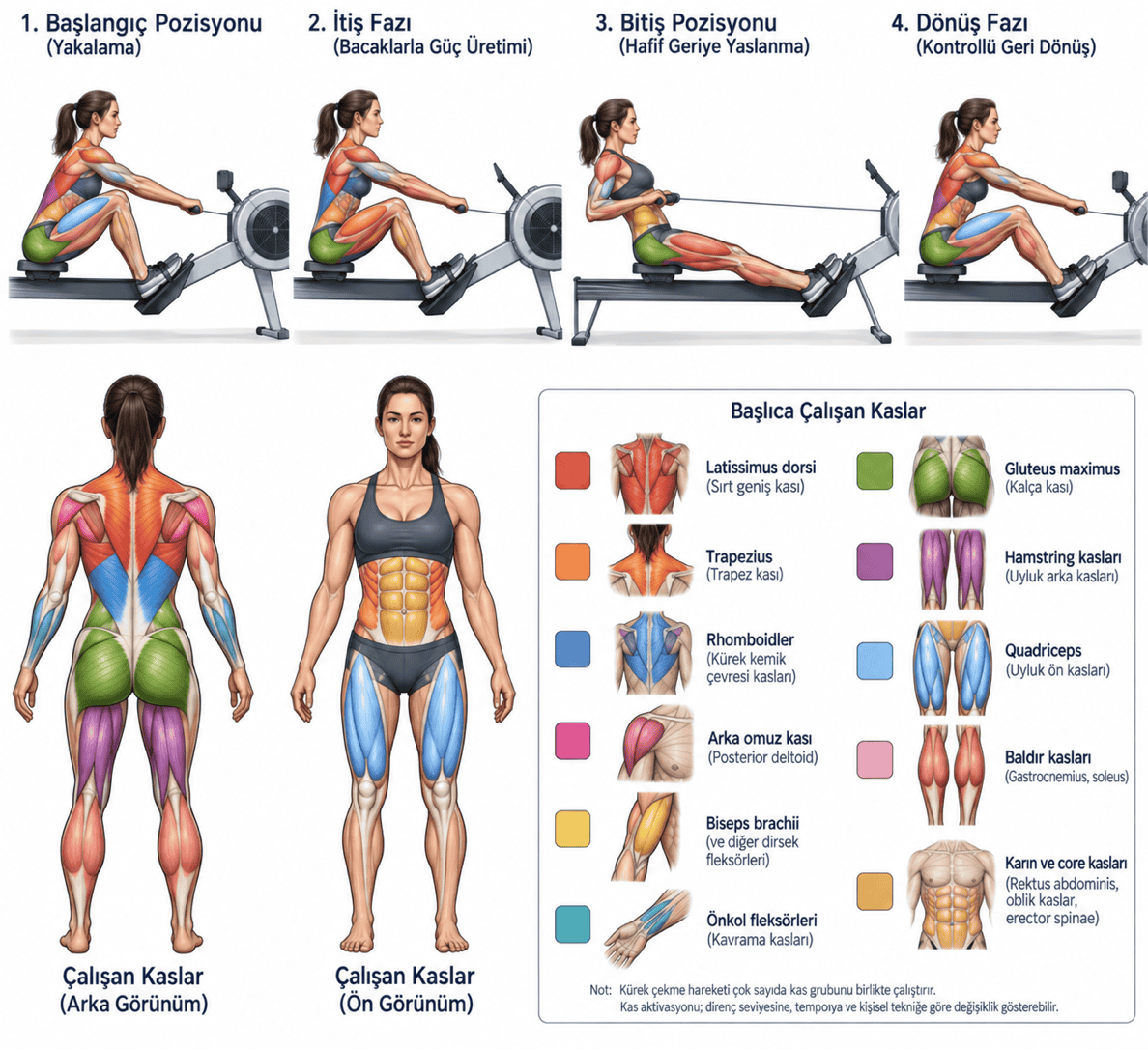
It is important to note here that there is a significant difference between muscle activation and the mechanical loading required to increase muscle strength and hypertrophy. Regularly activating and using muscles can contribute to maintaining muscle function and lean body mass, especially during weight loss. However, if the goal is to increase muscle strength or create hypertrophy in muscle tissue, simply activating the muscle is not enough. This requires subjecting the muscle tissue to sufficient mechanical stress and progressively increasing the applied load over time. Therefore, while exercises like rowing are quite valuable for keeping numerous muscle groups active, supporting them with appropriate resistance exercises is a more effective approach when aiming to develop muscle mass and strength.
The ideal approach is to combine aerobic activities like rowing or brisk walking with progressive resistance exercises such as squats, rows, presses, deadlifts, or alternatives tailored to the individual, on specific days of the week. When done this way, GLP-1 treatment ceases to be merely a treatment that reduces the number on the scale; it becomes part of a more comprehensive metabolic health program aimed at prioritizing fat loss while preserving muscle mass, strength, cardiovascular capacity, and overall functionality as much as possible.
We started with short walks and gradually increased our activity level. We did this for about a month. For a month, we aimed to be more active by walking 2-3 times a week. Then we added an activity like rowing 2-3 days a week, and improved our fitness level. After spending a few months developing our fitness and improving our cardiovascular system, we were ready to do more intense exercise. So, after a 3-month warm-up, we're ready to move on to more resistance training. At this point, let's talk about exercises that we can easily integrate into our lives with short workouts, without spending hours, and let's make a plan.
At this point, it is pointless to try to suddenly transform someone who has not recently done resistance training or weightlifting into a performance athlete. Our first goal is to work the large muscle groups, in particular. This is especially important for someone who says, “I only have 15-20 minutes a day.” If time is limited, it is a more efficient starting strategy to spend the first few minutes with exercises that use many muscle groups at once, rather than devoting the first few minutes to small and isolated muscle groups [18,19].
Classical American College of Sports Medicine (ACSM) recommendations suggest that large muscle groups should be performed before small muscle groups, and multi-joint movements before single-joint movements [20]. One of the important reasons for this is to be able to perform more complex and high-strength movements without fatigue.
However, it would be incorrect to interpret this as "it's wrong to work smaller muscles first." One of the important factors in exercise sequencing is which movement we want to prioritize, and another is our goal. Higher performance is expected in exercises performed at the beginning of a workout. Therefore, if a particular muscle or movement is the primary target, it makes sense to place that exercise at the beginning of the program.
Therefore, the main reason I prioritize basic movements at the beginner level isn't because small muscles are unimportant, but because it allows you to work more muscle groups, more joints, and more fundamental movement patterns in a shorter period of time.
Would 10-15 minutes a day really work?
Here, what is important is not only how long a workout lasts, but also the total weekly exercise stimulus and its ability to be sustained regularly. In recent years, approaches called “minimal dose resistance training” and “exercise snacking” have been researched especially for this reason. Current data show that even very low-volume resistance exercises can provide significant improvements in muscle strength in individuals who have not previously done regular resistance exercise [19]. Therefore, it is extremely important and meaningful to establish a regular resistance exercise routine of 10–15 minutes a day rather than not starting exercise at all.
The World Health Organization also recommends that adults perform moderate to high-intensity muscle-strengthening activities involving all major muscle groups at least two days a week. It is also particularly recommended that individuals who do not exercise start with small amounts of physical activity and gradually increase the duration, frequency, and intensity over time [21]. Therefore, resistance training does not necessarily have to be a one-hour gym session two or three times a week. It can be started with smaller exercise routines. In fact, I particularly recommend starting this way. Because when you force a sedentary person to exercise for hours at a time, the sustainability of this exercise program may not be very long. Therefore, starting with small steps, requiring a 10-15 minute time investment that doesn't put too much strain on the individual, is something that everyone can do more easily.
How can a 10-15 minute daily schedule be implemented?
A practical method is to divide the days into alternating upper and lower body parts. For example:
- Monday – Upper body
- Tuesday – Lower body
- Wednesday – Walking or Rowing
- Thursday – Upper body
- Friday – Lower body
- Saturday - Spade
- Sunday – Rest
Initially, 1–2 sets of approximately 10–15 repetitions per exercise may be sufficient. The resistance used should be adjusted according to the individual's capacity. Later, for example, after performing the same routine for a month, progressive loading can be applied: the weight used, the number of repetitions, the number of sets, or the difficulty of the exercise can be gradually increased over time. Different load and programming methods of resistance training are an important strategy for achieving muscle strength and muscle growth [22].
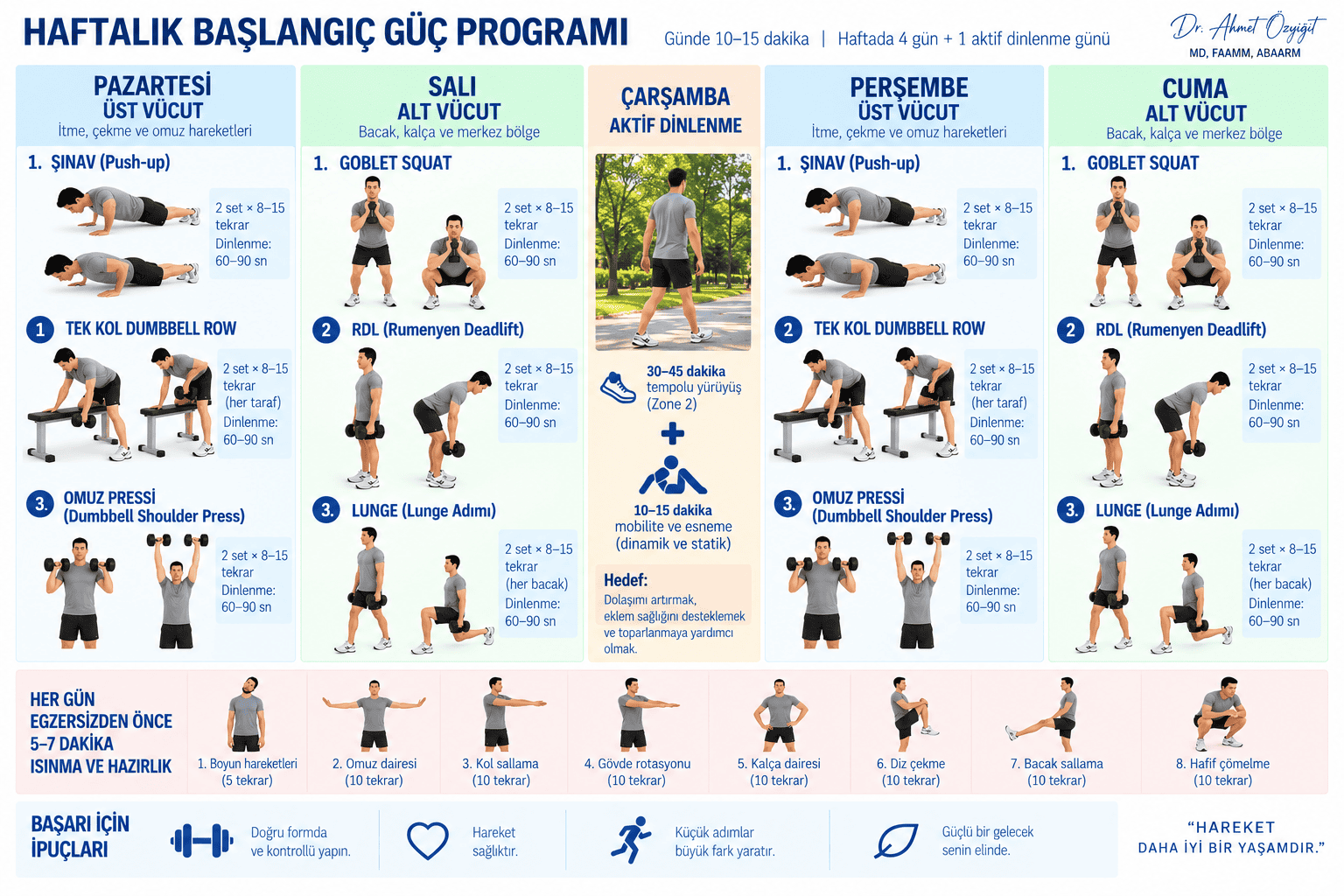
Here, dividing into upper-lower body is not a physiological necessity. A 2024 systematic review and meta-analysis comparing split and full-body resistance programs shows that when total training volume is equalized, the two approaches generally yield similar results in terms of muscle strength and hypertrophy [23]. Therefore, we can use the upper-lower system not because it is “superior”, but because it makes it easier to organize 10–15 minutes of daily exercise.
A simple start with walking, then activation of multiple muscle groups such as rowing, and then basic movements to be done for 10–15 minutes every day, with regularity and progressive increase in the number of repetitions or load over time, is a very strong model, especially for a sedentary person or someone new to exercise [18,19].
It is important to reiterate that the exercise examples and suggestions presented here are general recommendations for individuals who generally lead a sedentary lifestyle and have no known health problems or orthopedic limitations, aiming for a safe and gradual start to exercise. Each individual's health status, physical capacity, and exercise needs are different. Therefore, it is advisable for individuals with existing health problems, past injuries, chronic illnesses, or mobility limitations to undergo a medical evaluation and, if necessary, seek personalized advice from a physiotherapist or sports physician before starting a new exercise program.
Do I need supplements when using weight loss injections?
There is no standard supplement list for everyone. Supplements should be determined based on an individual's diet, blood tests, bowel function, medications used, and comorbidities. Some supplements can be used to aid the function of injections, provide necessary supplementation due to reduced nutrition, and reduce potential side effects in the stomach and intestines. Remember that the following list is not a universal recommendation. Supplements are not applied equally to everyone, and individual differences must be considered. Using dietary supplements without a doctor's recommendation is not appropriate.
Guar Gum-Based Fiber Supplement: If sufficient fiber cannot be obtained through diet, approximately 5–10 grams of soluble/prebiotic fiber can be added daily, starting with a low dose. Adequate water intake is important when supplementing with fiber.
Magnesium Glycinate or Citrate: It can be used in individuals with magnesium deficiency or insufficient intake. Magnesium glycinate is one of the well-tolerated options. It can be used in the 200-250 mg daily range, especially in cases of reduced dietary intake where insufficient magnesium intake may occur. It should not be used in individuals with impaired kidney function without consulting a doctor.
Multivitamin and mineral supplement: Scientific studies have shown that daily intake of a good multivitamin, especially for people over a certain age, has benefits particularly for brain function. Therefore, taking a good multivitamin supplement can be beneficial not only during weight loss processes but also at other times. Since there is a risk of not getting enough micronutrients during weight loss, a good multivitamin supplement can be considered during this period.
Digestive enzymes: Digestive enzymes are substances that help break down proteins, fats, and carbohydrates ingested with food and aid in their absorption from the intestines. During GLP-1 treatment, slowed gastric emptying and altered gastrointestinal motility may lead to digestive complaints such as bloating, gas, indigestion, early satiety, and constipation in some individuals. In patients experiencing such symptoms, digestive enzyme supplements can be considered a supportive option, particularly to alleviate bloating and gas related to food digestion. While the effectiveness of some enzymes in specific food intolerances has been demonstrated in scientific studies, clinical research on the effectiveness of general-purpose digestive enzyme supplements in addressing gastrointestinal complaints associated with GLP-1 treatment is still limited. Therefore, digestive enzymes should be considered as a support option for individuals with digestive complaints, rather than a necessary supplement for everyone using GLP-1. Furthermore, the use of these supplements is not limited to GLP-1 treatment; they can also be used by individuals experiencing specific digestive problems independently of treatment, by selecting the appropriate enzyme content.
Artichoke Extract or BergamotArtichoke extract supplements are often considered as contributing to gallbladder health. Although there isn't enough scientific research in this area, the use of artichoke extract could be considered for certain individuals.
Can weight loss injections be used for life?
Obesity is not simply a condition defined by excess weight; it is a chronic and recurring disease resulting from a combination of genetic, hormonal, metabolic, and environmental factors. Therefore, obesity treatment may need to continue for a long time in some individuals. While a one-year treatment may be sufficient for some patients, others may require much longer-term, even lifelong, medication to maintain weight control.
We can compare this situation to the treatment of hypertension. A person diagnosed with high blood pressure usually doesn't stop treatment spontaneously after taking medication for three months and their blood pressure returning to normal. This is because normal blood pressure is often a result of the medication taking effect. Similarly, weight loss and improvement in metabolic parameters during GLP-1 treatment do not mean that the predisposition to obesity has been completely eliminated.
Following weight loss, certain biological adaptation mechanisms are activated in the body. Energy expenditure may decrease, hormonal signals related to hunger and satiety may change, and appetite may increase again. These mechanisms can make it difficult to maintain the lost weight. Indeed, scientific studies show that many patients regain a significant portion of the weight they lost over time after GLP-1 treatment is discontinued. This does not mean that the treatment has failed; it reflects the chronic and recurrent biological nature of obesity.
However, this does not mean that everyone who starts GLP-1 treatment has to take medication for life. Individuals who adopt healthy eating habits, incorporate regular physical activity into their lives, preserve muscle mass, and establish a sustainable lifestyle that supports weight control during treatment can maintain their target weight without medication after reaching it. However, weight regain may occur in some patients even with lifestyle changes. Therefore, discontinuation of treatment should be evaluated on an individual basis, and weight monitoring should continue afterward.
A similar approach is used in the treatment of hypertension. In some patients, particularly those where excess weight, inactivity, and high sodium intake play a significant role, weight loss, regular exercise, and a healthy diet can significantly lower blood pressure. In suitable patients, under the supervision of a physician, it may be possible to reduce or completely discontinue the dosage of blood pressure medication. However, this is not applicable to every hypertensive patient.
Therefore, the main goal of GLP-1 treatment should not be simply to reach a certain number on the scale. The treatment process should also be considered a period in which dietary habits are improved, physical activity is increased, muscle mass is preserved, and long-term metabolic health is supported.
The key is not whether to stop the medication as soon as possible or to use it for life, but to determine the most appropriate treatment approach that can maintain the health gains achieved in the long term. While some people can achieve this without medication, for others long-term pharmacological support may be the best option.
So, can these medications prolong life?
There is some very interesting, but still early, scientific data on this subject. In 2026... Nature In a study published in the journal, giving semaglutide to older female mice reduced some age-related biological changes and increased the median lifespan from 742 days to 834 days [26].
This is an important scientific finding, but the increase in lifespan in mice does not prove that semagglutinin also extends lifespan in humans. Much longer-term studies are needed to demonstrate this in humans. However, based on the available data, it is expected to have effects such as weight control, blood sugar balance, reduced risk of cardiovascular disease, protection against chronic diseases, and extending or improving the quality of life.
Dr. Ahmet Özyiğit MD, ABAARM
Anti-Aging and Regenerative Medicine Specialist
Sources
1. Wilding, JPH, Batterham, RL, Calanna, S. et al. (2021) 'Once-weekly semaglutide in adults with overweight or obesity', The New England Journal of Medicine, 384(11), pp. 989–1002. https://doi.org/10.1056/NEJMoa2032183
2. Jastreboff, AM, Aronne, LJ, Ahmad, NN et al. (2022) 'Tirzepatide once weekly for the treatment of obesity', The New England Journal of Medicine, 387(3), pp. 205–216. https://doi.org/10.1056/NEJMoa2206038
3. Dang, V., Sambuco, N., Yammine, L. and Versace, F. (2026) 'Do GLP-1 receptor agonists alter brain responses to reward-related cues? 'A systematic review', bioRxiv [Preprint]. https://doi.org/10.64898/2026.01.31.702984
4. Liu, Z., Yu, S., Jin, X. et al. (2025) 'The clinical application of GLP-1RAs and GLP-1/GIP dual receptor agonists based on pharmacological mechanisms: A review', Drug Design, Development and Therapy, 19, pp. 10383–10409. https://doi.org/10.2147/DDDT.S559919
5. He, L., Wang, J., Ping, F. et al. (2022) 'Association of glucagon-like peptide-1 receptor agonist use with risk of gallbladder and biliary diseases: A systematic review and meta-analysis of randomized clinical trials', JAMA Internal Medicine, 182(5), pp. 513–519. https://doi.org/10.1001/jamainternmed.2022.0338
6. Masson, W., Lobo, M., Barbagelata, L., Lavalle-Cobo, A. and Nogueira, JP (2024) 'Acute pancreatitis due to different semaglutide regimens: An updated meta-analysis', Endocrinología, Diabetes y Nutrición, 71(3), pp. 124–132. https://doi.org/10.1016/j.endien.2024.03.012
7. Silverii, GA, Marinelli, C., Bettarini, C., Del Vescovo, GG, Monami, M. and Mannucci, E. (2025) 'GLP-1 receptor agonists and the risk for cancer: A meta-analysis of controlled randomized trials', Diabetes, Obesity and Metabolism, 27(8), pp. 4454–4468. https://doi.org/10.1111/dom.16489
8. Wang, L., Xu, R., Kaelber, DC and Berger, NA (2024) 'Glucagon-like peptide 1 receptor agonists and 13 obesity-associated cancers in patients with type 2 diabetes', JAMA Network Open, 7(7), e2421305. https://doi.org/10.1001/jamanetworkopen.2024.21305
9. Dai, H., Li, Y., Lee, Y.A. et al. (2025) 'GLP-1 receptor agonists and cancer risk in adults with obesity', JAMA Oncology, 11(10), pp. 1186–1193. https://doi.org/10.1001/jamaoncol.2025.2681
10. Pasternak, B. et al. (2024) 'Glucagon-like peptide 1 receptor agonist use and risk of thyroid cancer: Scandinavian cohort study', BMJ, 385, e078225. https://doi.org/10.1136/bmj-2023-078225
11. Lincoff, A.M., Brown-Frandsen, K., Colhoun, H.M. et al. (2023) 'Semaglutide and cardiovascular outcomes in obesity without diabetes', The New England Journal of Medicine, 389(24), pp. 2221–2232. https://doi.org/10.1056/NEJMoa2307563
12. Packer, M., Zile, MR, Kramer, CM et al. (2025) 'Tirzepatide for heart failure with preserved ejection fraction and obesity', The New England Journal of Medicine, 392(5), pp. 427–437. https://doi.org/10.1056/NEJMoa2410027
13. Mozaffarian, D., Agarwal, M., Aggarwal, M. et al. (2025) 'Nutritional priorities to support GLP-1 therapy for obesity: A joint advisory from the American College of Lifestyle Medicine, the American Society for Nutrition, the Obesity Medicine Association, and The Obesity Society', The American Journal of Clinical Nutrition, 122(2), pp. 344–367. https://doi.org/10.1016/j.ajcnut.2025.04.023
14. Sonia, S., Witjaksono, F. and Ridwan, R. (2015) 'Effect of cooling of cooked white rice on resistant starch content and glycemic response', Asia Pacific Journal of Clinical Nutrition, 24(4), pp. 620–625. https://doi.org/10.6133/apjcn.2015.24.4.13
15. Strozyk, S., Rogowicz-Frontczak, A., Pilacinski, S. et al. (2022) 'Influence of resistant starch resulting from the cooling of rice on postprandial glycemia in type 1 diabetes', Nutrition & Diabetes, 12, article 21. https://doi.org/10.1038/s41387-022-00196-1
16. American Diabetes Association Professional Practice Committee for Obesity (2026) 'Pharmacologic treatment of obesity in adults: Standards of care in overweight and obesity', BMJ Open Diabetes Research & Care, 13(Suppl. 1), e005729. https://doi.org/10.1136/bmjdrc-2025-005729
17. Rodríguez, M.Á., Quintana-Cepedal, M., Cheval, B. et al. (2026) 'Effect of exercise snacks on fitness and cardiometabolic health in physically inactive individuals: Systematic review and meta-analysis', British Journal of Sports Medicine, 60(2), pp. 133–141. https://doi.org/10.1136/bjsports-2025-110027
18. Iversen, VM, Norum, M., Schoenfeld, BJ and Fimland, MS (2021) 'No time to lift? 'Designing time-efficient training programs for strength and hypertrophy: A narrative review', Sports Medicine, 51, pp. 2079–2095. https://doi.org/10.1007/s40279-021-01490-1
19. Nuzzo, JL, Pinto, MD, Kirk, BJC and Nosaka, K. (2024) 'Resistance exercise minimal dose strategies for increasing muscle strength in the general population: An overview', Sports Medicine, 54(5), pp. 1139–1162. https://doi.org/10.1007/s40279-024-02009-0
20. Kraemer, W.J., Adams, K., Cafarelli, E. et al. (2002) 'American College of Sports Medicine position stand. 'Progression models in resistance training for healthy adults', Medicine & Science in Sports & Exercise, 34(2), pp. 364–380. https://doi.org/10.1097/00005768-200202000-00027
21. World Health Organization (2020) WHO guidelines on physical activity and sedentary behavior. Geneva: World Health Organization. Available at: https://www.who.int/publications/i/item/9789240015128 (Accessed: 13 October 2026).
22. Currier, B.S., McLeod, J.C., Banfield, L. et al. (2023) 'Resistance training prescription for muscle strength and hypertrophy in healthy adults: A systematic review and Bayesian network meta-analysis', British Journal of Sports Medicine, 57(18), pp. 1211–1220. https://doi.org/10.1136/bjsports-2023-106807
23. Ramos-Campo, DJ, Benito-Peinado, PJ, Andreu-Caravaca, L., Rojo-Tirado, MA and Rubio-Arias, J.Á. (2024) 'Efficacy of split versus full-body resistance training on strength and muscle growth: A systematic review with meta-analysis', Journal of Strength and Conditioning Research, 38(7), pp. 1330–1340. https://doi.org/10.1519/JSC.0000000000004774
24. Bull, FC, Al-Ansari, SS, Biddle, S. et al. (2020) 'World Health Organization 2020 guidelines on physical activity and sedentary behavior', British Journal of Sports Medicine, 54(24), pp. 1451–1462. https://doi.org/10.1136/bjsports-2020-102955
25. Aronne, L. J., Sattar, N., Horn, D. B. et al. (2024) 'Continued treatment with tirzepatide for maintenance of weight reduction in adults with obesity: The SURMOUNT-4 randomized clinical trial', JAMA, 331(1), pp. 38–48. https://doi.org/10.1001/jama.2023.24945
26. Feng, Y., Barthez, M., Wang, Y. et al. (2026) 'Late-life semaglutide treatment slows aging and extends lifespan in female mice', Nature, 657, pp. 469–476. https://doi.org/10.1038/s41586-026-10940-7